The Importance of Psychosocial Counselling in Nepal’s Growth
The Importance of Psychosocial Counselling in Nepal’s Growth
Introduction
Mental health is a critical aspect of a nation’s overall development, yet it has often been overlooked in Nepal due to social stigma, limited resources, and lack of awareness. However, in recent years, the need for psychosocial counselling has gained prominence, especially in the wake of natural disasters, social challenges, and evolving societal norms. Psychosocial counselling offers a pathway to emotional healing, personal growth, and community well-being. In this blog, we’ll explore the importance of psychosocial counselling in Nepal's growth and how it contributes to a mentally healthy and resilient society.
Understanding Psychosocial Counselling
Psychosocial counselling refers to a set of therapeutic interventions that focus on both the psychological and social aspects of an individual's well-being. It helps individuals cope with emotional distress, trauma, grief, anxiety, depression, and interpersonal issues. The ultimate goal is to help people regain stability, develop healthy coping mechanisms, and improve their overall quality of life.
In Nepal, psychosocial counselling plays an essential role in addressing the mental health issues faced by individuals, families, and communities, especially in light of natural disasters like the 2015 earthquake, ongoing social challenges, and the impact of rapid modernization.
The Role of Psychosocial Counselling in Nepal’s Development
-
Healing Trauma from Natural Disasters Nepal, being prone to earthquakes and other natural disasters, has witnessed the devastating effects on its people’s mental health. After the 2015 earthquake, many individuals were left traumatized, suffering from grief, loss, and post-traumatic stress disorder (PTSD). Psychosocial counselling helped survivors process their trauma, rebuild their lives, and regain a sense of security and purpose. By providing these crucial services, Nepal could begin its path to recovery, not just physically but emotionally as well.
-
Improving Social Integration and Cohesion Nepal is a diverse nation with various ethnic groups, cultures, and languages. With rapid urbanization and globalization, many individuals face challenges related to integration, identity, and social acceptance. Psychosocial counselling can help people navigate these complexities, manage feelings of isolation, and build stronger community bonds. It promotes social cohesion, reduces tension between groups, and enhances collective well-being.
-
Enhancing Workplace and Educational Environments The increasing focus on mental health in workplaces and educational institutions is another important development. Many young people, students, and professionals face stress, anxiety, and pressure related to academic performance and career growth. Psychosocial counselling in schools, colleges, and workplaces equips individuals with emotional resilience, improves productivity, and reduces burnout. It contributes to a healthier, more focused workforce and promotes academic success among students.
-
Addressing Gender-Based Violence and Social Inequality Gender-based violence and social inequality are persistent issues in Nepal. Victims of such violence often suffer from long-lasting emotional and psychological trauma. Psychosocial counselling is an essential service in helping these individuals heal and regain their strength. It also offers support to communities affected by social injustice, helping them break cycles of violence and oppression.
ECTC’s Contribution to Psychosocial Counselling in Nepal
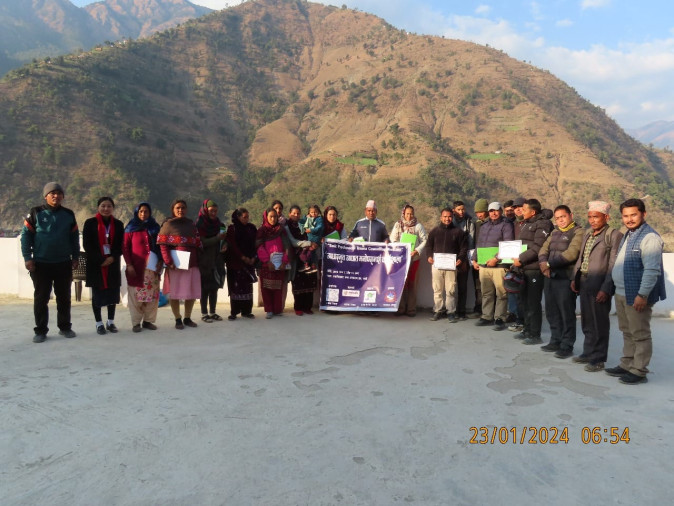
Elijah Counselling and Training Centre (ECTC) has been at the forefront of providing psychosocial counselling services in Nepal. By offering individual, family, and group counselling, ECTC helps people cope with personal crises, emotional distress, and trauma. Their professional team also runs mental health awareness programs and community-based interventions, significantly contributing to reducing the stigma around mental health.
Additionally, ECTC’s training programs empower individuals to become mental health professionals and provide essential psychosocial support in schools, hospitals, and communities. ECTC’s work fosters a deeper understanding of mental health, improving both individual well-being and societal growth.
The Path Forward: Why Psychosocial Counselling Matters
Psychosocial counselling is not just a luxury but a necessity for the growth of any nation. In Nepal, it can help unlock the potential of individuals and communities by promoting mental stability, resilience, and empowerment. Investing in mental health care and counselling services is an investment in the country's future—enabling its citizens to thrive, contribute, and lead healthy, fulfilling lives.
As Nepal continues to progress, the integration of psychosocial counselling into everyday life will be crucial. It is imperative that mental health be treated with the same importance as physical health, and that resources, education, and services be made available to everyone, regardless of their background or socioeconomic status.
Conclusion
The importance of psychosocial counselling in Nepal's growth cannot be overstated. By focusing on emotional well-being, reducing stigma, and offering support in times of crisis, Nepal can ensure that its citizens are not only physically healthy but emotionally resilient. As more individuals and organizations recognize the need for mental health services, Nepal will move toward becoming a more stable, cohesive, and prosperous nation.
If you or someone you know is in need of psychosocial counselling or training, organizations like ECTC are ready to provide essential services to help guide you toward emotional healing and a brighter future.
Other Blogs